If you have lived through even one winter in the Naugatuck Valley, you know how fast the season turns. One week you are raking leaves in Shelton, the next a nor’easter is dumping a foot of snow and overnight temperatures are in the single digits. Your furnace goes from sitting idle for six months to running 12+ hours a day — and the homes that skip fall preparation are the ones calling for emergency heating repair in January.
This guide walks you through exactly how to prepare your heating system for a Connecticut winter, what you can safely do yourself, and when it is time to bring in a licensed professional.
Why Connecticut Winters Are Especially Hard on Furnaces
Connecticut averages roughly 5,500–6,000 heating degree days per year — meaning your heating system works harder here than in most of the country. Coastal towns like Milford and Stratford add salt air and humidity swings that corrode outdoor components, while inland areas like Monroe and Newtown regularly see sub-zero wind chills that push systems to their limits.
Many homes in Fairfield and New Haven counties were also built decades ago, with ductwork and heating equipment that predate modern efficiency standards. An older system that has not been serviced is dramatically more likely to fail on the coldest night of the year — exactly when repair demand (and stress) is highest.
The 10-Step Connecticut Furnace Prep Checklist
- 1Replace your furnace filter — and stock up. During a CT winter your furnace can run nearly nonstop. Check filters monthly from November through March; a clogged filter is the #1 cause of avoidable breakdowns.
- 2Test your thermostat early. Switch to heat mode in October and let the system run for 15 minutes. If rooms heat unevenly or the system short-cycles, get it diagnosed before the rush.
- 3Clear the area around your furnace. Keep at least 3 feet of clearance — no storage boxes, paint cans, or holiday decorations near the unit.
- 4Check and clean your vents and returns. Make sure supply registers are open and not blocked by furniture or rugs, especially in rooms over garages or crawl spaces.
- 5Inspect visible ductwork for leaks. Leaky ducts in a cold CT basement or attic can waste 20–30% of the heat you pay for. Look for disconnected joints and tape gaps.
- 6Test your carbon monoxide detectors. Any fuel-burning furnace can produce CO if venting fails. Replace batteries every fall and replace detectors older than 7 years.
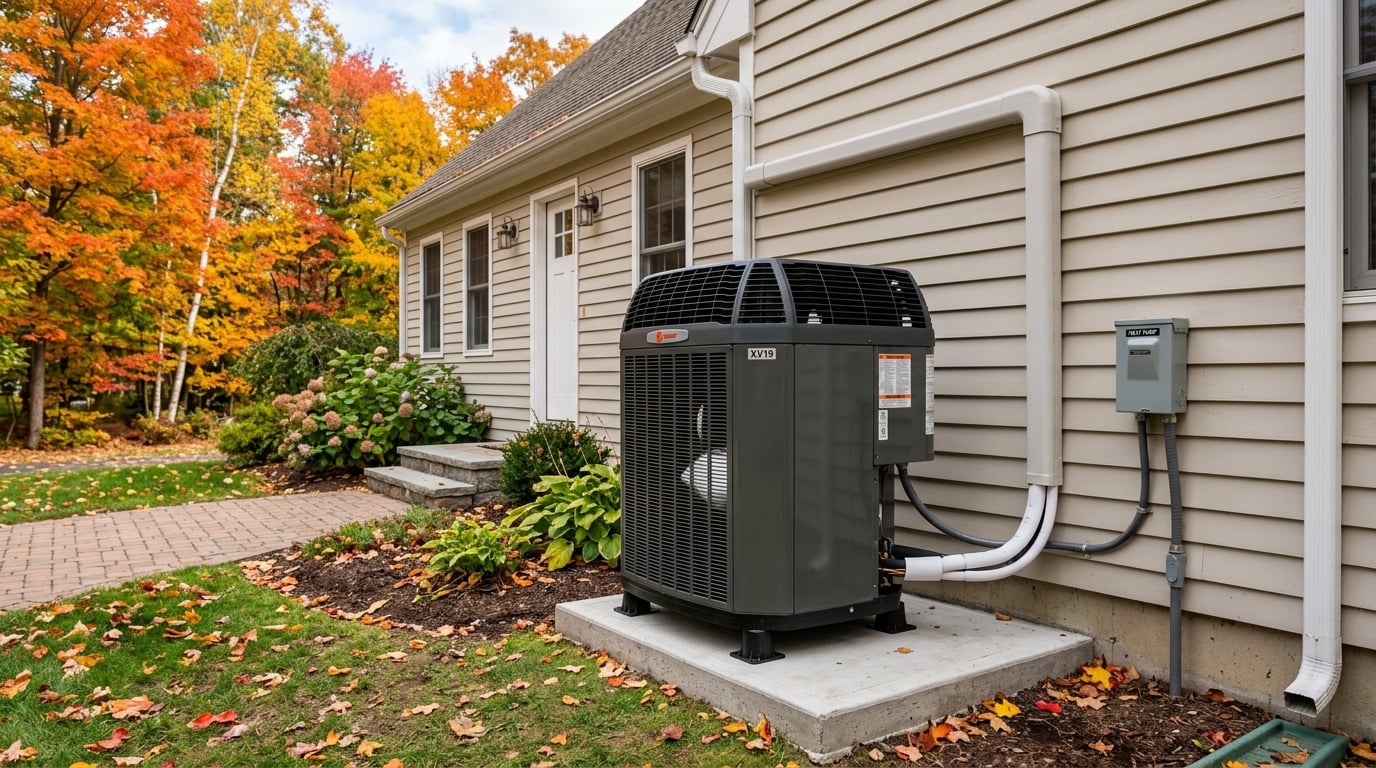
- 7Clear outdoor vents and flues. High-efficiency furnaces vent through the sidewall — keep PVC vent pipes clear of snow, leaves, and nests after every storm.
- 8Bleed radiators and check boiler pressure (if you have hot-water heat). Many older Connecticut homes use boilers; trapped air causes cold spots and banging pipes.
- 9Protect your pipes. Insulate exposed plumbing near exterior walls — a frozen pipe during a furnace failure turns an inconvenience into a disaster.
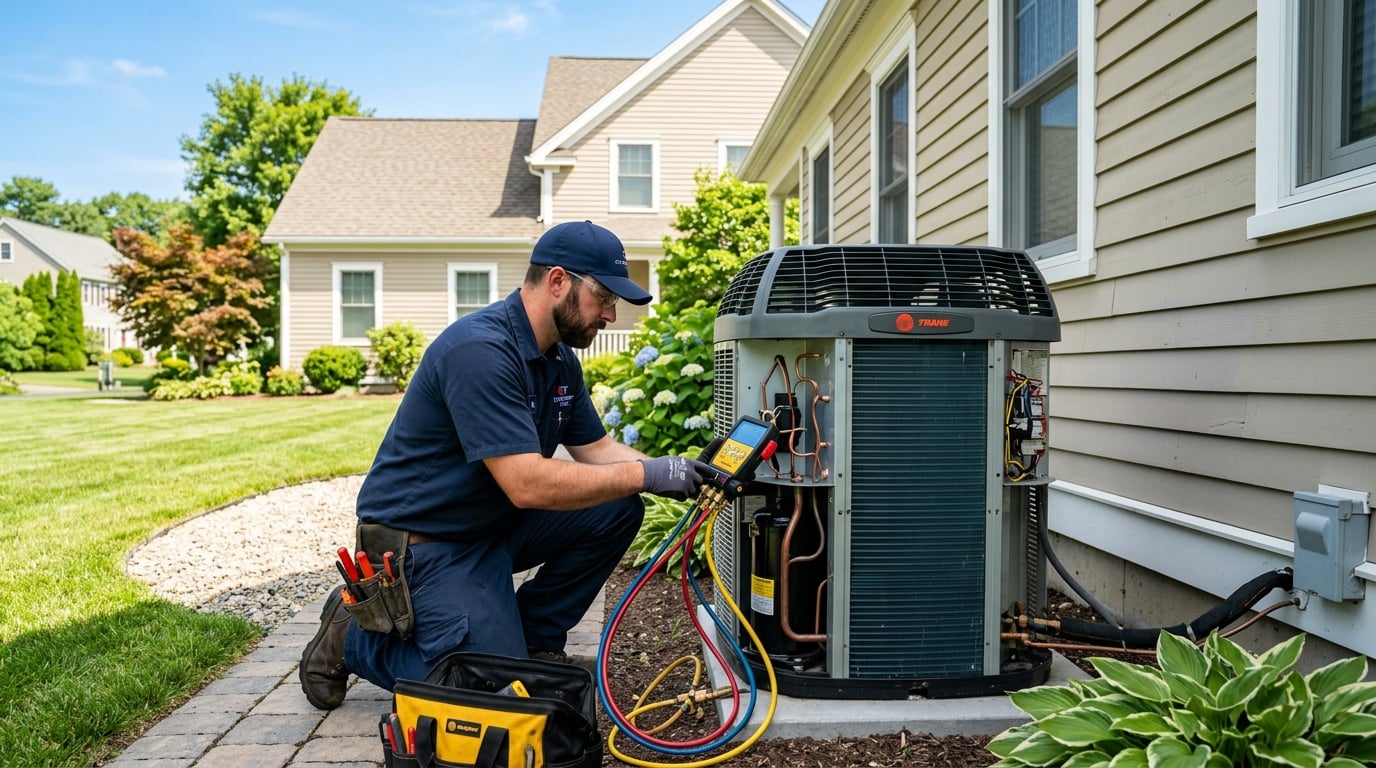
- 10Schedule a professional tune-up before the first freeze. A licensed technician will test heat exchangers, burners, gas pressure, safety controls, and electrical connections — things no homeowner checklist can cover.
Warning Signs Your Furnace Needs a Professional — Now
- Yellow or flickering burner flame (should be steady blue) — a possible combustion problem
- Banging, screeching, or rumbling sounds on startup
- Frequent on-off cycling without reaching the set temperature
- A sudden spike in your gas or electric bill compared to the same month last year
- The smell of gas or burning dust that does not fade after the first day of heating season
- Visible rust, soot streaks, or water around the unit
If you notice any of these, shut the system down and call a licensed professional. In Connecticut, heating work should always be performed by a licensed contractor — it is both a safety issue and a requirement for most insurance claims.
What Does Furnace Service Cost in Connecticut?
Homeowners in the Shelton, Milford, and Monroe area can typically expect a professional furnace tune-up to run in the $100–$250 range, common single-part repairs (ignitors, capacitors, flame sensors) between $150–$600, and major repairs like blower motors or control boards from $450–$1,500 depending on the system. A full furnace replacement in Connecticut generally falls between $5,000–$12,000 installed, depending on size, efficiency, and ductwork condition.
Every home is different, which is why we provide free, upfront quotes before any work begins — you will always know the price before we start.
Get Your Furnace Winter-Ready
Use our online estimate tool to get honest, upfront pricing on a furnace tune-up, repair, or replacement in minutes — no phone tag required.
Frequently Asked Questions
How often should I service my furnace in Connecticut?
Once a year, ideally in early fall before heating season. Connecticut’s long heating season (October through April) puts heavy wear on equipment, and annual maintenance keeps manufacturer warranties valid.
How long do furnaces last in Connecticut homes?
A well-maintained gas furnace typically lasts 15–20 years. Coastal humidity and heavy seasonal use can shorten that, while consistent annual tune-ups extend it.
Is it worth repairing a 15-year-old furnace?
A good rule of thumb: if the repair costs more than a third of the replacement price and the unit is past 12–15 years old, replacement usually makes more financial sense thanks to modern efficiency gains.